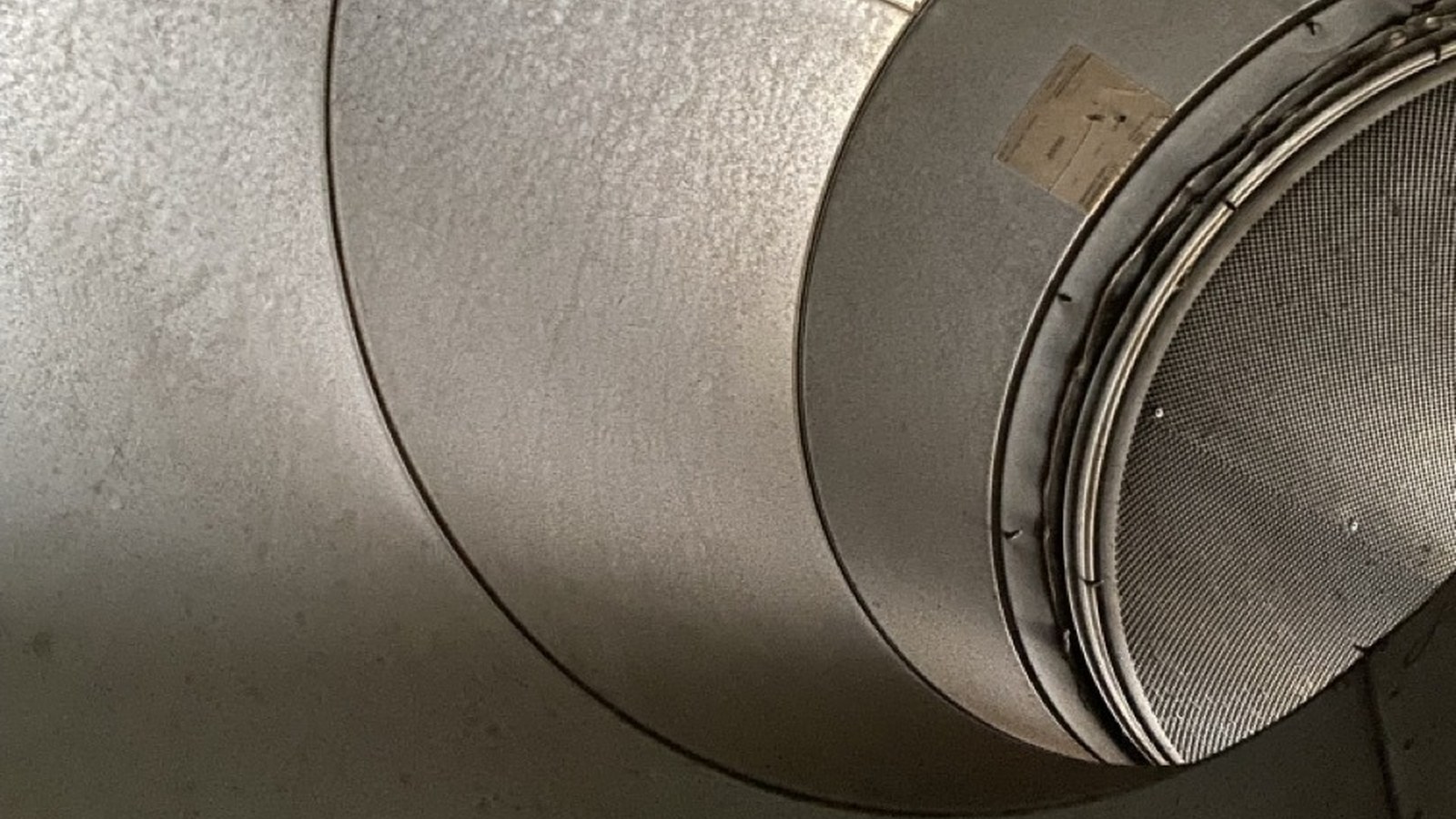
Duct Cleaning · Aintree
From the the Ormskirk Road pubs to the retail-park restaurants and the care homes, Aintree runs on ductwork you never see - grease extract, dry ventilation and laundry runs where the dirt, and the fire risk, sit concealed above the ceiling.
Answer a few quick questions about your Aintree canopy, filters and ducting for a guide price on stripping and degreasing the extract system - no measuring, no site visit.
Try the cost calculatorThere is far more ductwork behind Aintree than the street shows. Grease-laden air climbs out of the pub, cafe and restaurant kitchens and the care homes; the offices, the retail and business-park units and the Dunningsbridge Road estate units rely on dry supply and extract air-handling; and the hotels and launderettes run laundry ducting that fills with flammable lint.
Behind a great share of those kitchens sits an extract system a canopy wipe never touches. Aintree falls under Sefton Council, whose remit takes in 2,366 rated premises across the county - and grease ductwork is a fire matter as much as a hygiene one. Under the Regulatory Reform (Fire Safety) Order 2005 the responsible person has to keep it clean to a standard a certificate can show.
We clean and certify the whole system - grease, dry and laundry - right across Aintree: the racecourse and Ormskirk Road, the Switch Island junction, and the retail and business parks and the Dunningsbridge Road estates. We survey the full route, fit compliant access where a sealed run has none, and clean every internal metre back to bare metal.
Insurers and fire risk assessors work to TR19 Grease because it measures the whole extract system rather than the visible canopy. It grades grease by depth and fixes the point at which a run has to be cleaned again - so the interval is a measurement, not a guess.
Across Aintree we work to that one standard, whether the run climbs out of a busy restaurant kitchen or a care-home laundry.
The extract off a cookline lines itself with combustible grease the whole way to the fan, and it is the concealed length, not the canopy, a fire assessment turns on. We clean it end to end and record the readings.
Dry supply and extract ductwork silts up with dust and debris until it moves far less air than it should. We clean and inspect it so the ventilation actually performs.
Lint packs a laundry or dryer duct faster than anyone expects, and few build-ups catch as readily. We clear and check the run before it turns into an ignition source.
Typical jobs we handle, by sector and area - representative of the work we do, not named clients.
At a unit on the Aintree Racecourse business park, the system came in on its planned interval, kept in good order. We cleaned the full accessible system and confirmed the depths were back to a safe baseline, leaving the certificate and photographs for the record.
At a pub in Aintree, the riser to a rooftop fan was boxed in tight to the wall and had never been opened. We hatched the riser at each floor and cleared the internal surfaces to bare metal, with photographs and a certificate the fire file can show.
We inspect the full run, find the access gaps in the concealed sections and agree scope and a cleaning frequency for your usage.
We fit compliant inspection hatches where the ductwork is sealed, and protect the kitchen or plant area.
Canopy to fan, down to bare metal, with before-and-after evidence at set measuring points.
You get a dated certificate, grease-depth record, photographs and your next-due date.
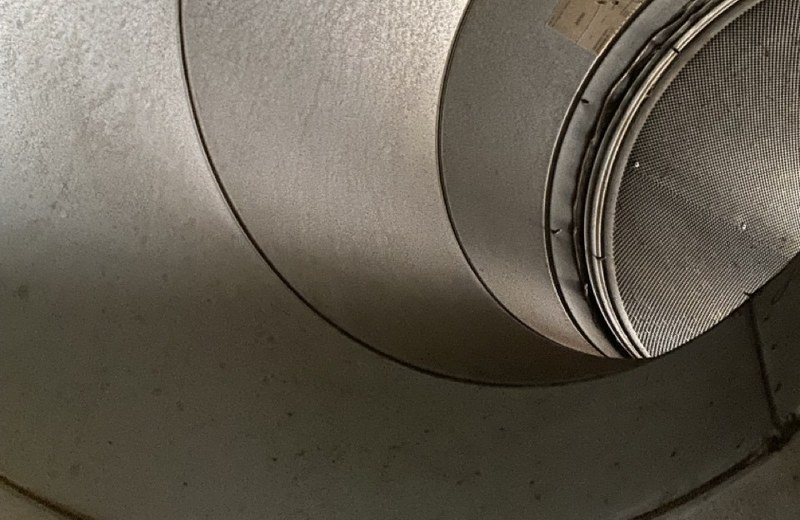
The building. The Fire Safety Order puts the duty on the responsible person to control fire risk, and concealed grease is where a kitchen fire spreads fastest and least visibly.
The claim. Insurers expect a current certificate; a fire claim on a neglected system can be cut or refused - a costly surprise after a loss.
The day-to-day. A clean run pulls better, smells better and stands up when the environmental health officer visits.
Aintree runs around the racecourse that stages the Grand National and the retail and business parks by Switch Island, a town whose pubs and cafes and the Dunningsbridge Road industrial estates keep it fed and working. The kitchens that feed the town cook hard, and the grease their extract carries banks unseen in the concealed run. We work around service so an Aintree kitchen is cleaned, certified and back in action without losing covers.

Yes. We work throughout Aintree and the wider Merseyside, including the racecourse and Ormskirk Road, the Switch Island junction, and the retail and business parks and the Dunningsbridge Road estates. Call 07961 915018 or use the contact form and we will confirm and quote.
The whole run - from the canopy through the concealed horizontal and vertical ductwork to the roof fan. The hidden sections are exactly where the grease and the fire risk sit.
We fit compliant access panels where the run is sealed or boxed in, so every internal section can be reached, cleaned, inspected and certified.
It depends on use. TR19 Grease sets kitchen extract frequency by daily cooking hours - roughly every three months for heavy use, six for moderate and twelve for light - and we set your interval and next-due date on the survey.
Yes. Dry supply and extract ductwork clogs with dust and can spread contamination, and laundry and dryer ducting packs with highly flammable lint. We clean and certify all three.
Yes. We work overnight, early mornings, weekends and closing days to keep your kitchen or site running.
We have cleaned and certified commercial ductwork since 2001, the length of the Merseyside coast and across the UK. Whatever the run - a grease riser, a dry office system or a care-home laundry duct - the work ends the same way: bare metal, a photo record and a certificate that stands up to a fire risk assessment.
Send us your site details and cooking hours and we will survey, quote and certify - across Merseyside.
