Extraction Cleaning · Wotton-under-Edge
From the the Long Street inns to the Market Street cafes, Wotton-under-Edge cooks over open flame - and a greased-up canopy, filter and fan pull badly, run hot and add fire risk. We strip and degrease the whole system, canopy to fan, and certify it fire-safe.
Tell us about the canopy, filters and ducting in your Wotton-under-Edge kitchen and get a guide price straight away - no measuring, no site visit, no waiting.
Try the cost calculatorWotton-under-Edge cooks hard, and from the Long Street inns to the Market Street cafes every cookline faces the same test - service after service loading its canopy with grease. The settings vary; the grease does not.
In a food economy of 1,075 rated premises, a Wotton-under-Edge line loads canopy, filters and fan steadily until the grease sets - and then the hood stops capturing, the kitchen turns hot and smoky, and the fan sits as a fire risk over a live flame. We degrease the whole system so draw and fire safety come back together.
Swapping filters treats the symptom; grease in the canopy, plenum and fan is what actually strangles the airflow. Clean the lot together and the cookline captures again, the kitchen runs cooler, and the fire risk over a live line comes down with it.
It is measured and evidenced to TR19 Grease, with the fan the tell: when a Wotton-under-Edge kitchen goes hot and smoky, it is usually grease unbalancing the impeller, not the filters.
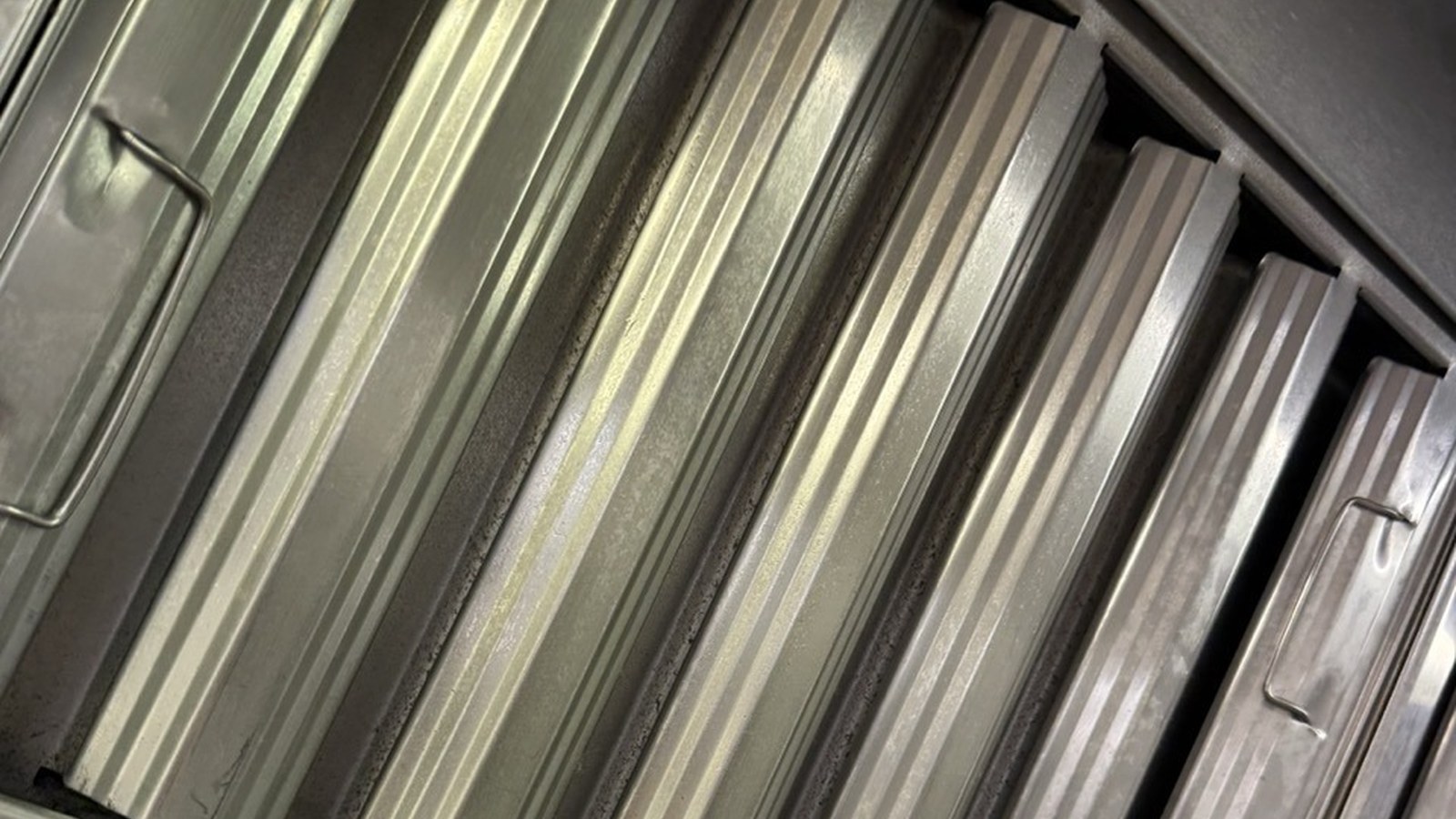
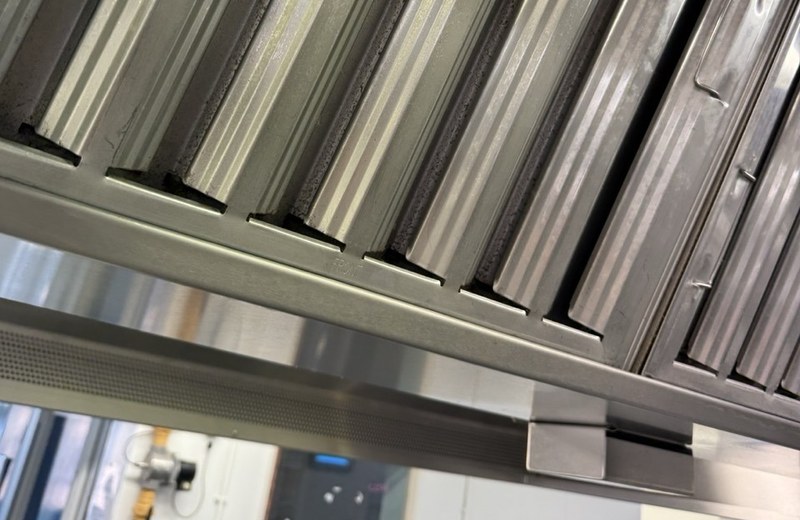
The standard on a commercial canopy. We strip, soak and scrape them back, and flag any that are warped or missing - the gap a warped filter leaves lets grease straight into the plenum.
Common on lighter lines and older canopies, and quick to clog solid. We clean what you run and advise where a baffle filter would serve a heavy frying line better.
On enclosed or recirculating systems. We service the stages, check the seals and tell you what needs replacing rather than cleaning.
Many cooklines carry a wet-chemical system built into the canopy. We degrease the filters, canopy and fan without disturbing the nozzles or detection - so you keep both defences.
Where a gas interlock ties the cookline to the extract, we work around it and leave it functioning, so the line cannot fire without the extraction running.
We check and clear accessible fire dampers in the run, so a damper that has to close in a fire is not seized solid with grease.
Typical jobs we handle, by sector and area - representative of the work we do, not named clients.
At a care home in Wotton-under-Edge, cooking three meals a day for its residents, the extract had lost its pull, with grease set hard on the baffles, the plenum and the fan. We removed and soaked the baffles, degreased the canopy, plenum and fan, and cleaned the reachable duct working around service. The kitchen ran cool again; we left the certificate and photo record for the fire file.
At a gastropub in Wotton-under-Edge, cooking a full menu for a busy trade, months of frying had packed the canopy and fan with grease and the draw had fallen away. We degreased the whole system - filters, canopy, plenum, fan and the accessible duct out of hours. The draw and fire protection were back; we left the photos and certificate for the file.
We check the canopy, filters and fan, gauge the grease loading and how far the pull has dropped, and agree the scope.
The cookline and any fire-suppression system are protected and the area sheeted before work starts.
Filters, canopy, plenum and fan are degreased end to end - twice over where the grease has baked on hard.
You get a dated certificate, before-and-after photographs and a recommended cleaning interval.

By cooking volume. A heavy line needs cleaning more often than a light one - TR19 Grease sets the interval by daily cooking hours, and we assess your grease loading and set a next-due date rather than guessing.
The whole system - filters, canopy, plenum, fan housing and impeller, and the accessible duct. Grease on the fan is usually what has actually killed the airflow, so filters alone rarely fix a hot, smoky kitchen.
No. We degrease around the nozzles and detection of a wet-chemical system without disturbing them, so both the extraction and the suppression are left working.
Yes - Long Street and Market Street, the Tolsey, and the Cotswold Way edge of town, and across the wider Gloucestershire.
Yes. We work overnight, early mornings and closed days, at no extra charge for out-of-hours work, so the kitchen is ready for the next service.
Wotton-under-Edge sits below the Cotswold escarpment on the Cotswold Way, an old cloth town of independent inns and cafes along Long Street and Market Street. Left in place, that grease feeds flame and starves airflow. We work around service so the extraction is clean, certified and pulling properly before the next service.
We have stripped, degreased and certified commercial extraction to TR19 Grease since 2001, across Gloucestershire and the UK. On a hard-frying line the job is the same every time: the whole system taken back, the fan balanced, and a certificate that satisfies your insurer and fire risk assessor.
Send us your cookline and frying hours and we will survey, strip, degrease and certify - across Gloucestershire.
